
How to care for lacquered and wooden surfaces
Lacquered and wooden surfaces are wiped with a soft cloth that is lightly damp, not wet, then dried with a dry cloth. Cleaners containing alcohol, ammonia or abrasives cause permanent damage to both.
· Valentinos Luxury · 3 min read
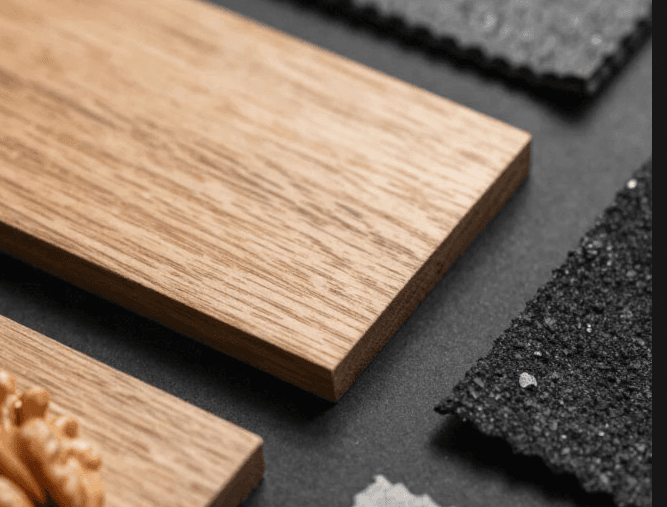
Furniture surfaces are not ruined by daily use but by the wrong cleaning. Proper care is simple and comes down to three rules: use a soft cloth, never leave water standing, and keep chemicals away.
Daily and weekly cleaning
Dust with a dry microfibre cloth. Run a damp cloth over dry dust and the dust behaves like sandpaper, leaving fine scratches; take the dust off with a dry cloth first.
For the weekly wipe, dampen the cloth lightly — not enough to drip when squeezed. Always dry the surface afterwards with a dry cloth. A drop of water left on the surface will mark over time, especially along the edge banding.
Apart from microfibre, avoid washing-up sponges, scouring cloths and paper towels. Paper towel fibres leave a web of fine scratches on lacquer.
What not to use
Alcohol-based cleaners soften the lacquer’s top coat and dull it. Most glass cleaners contain ammonia, which lightens the colour of wood veneer.
Abrasive creams and powder cleaners physically wear the surface away. That damage cannot be reversed.
Silicone-based polishes give a short-term shine but leave a film; dust sticks to that film over time and the surface goes dull. If touch-up or refinishing is ever needed, silicone residue stops the new coat from adhering.
Dealing with different stains
Water marks: lift immediately with a dry cloth. If a permanent white mark has formed, do not work at the surface — ask us; the remedy depends on the surface type.
Grease marks: lift with a cloth dampened in mild soapy water, then remove the soap residue with a clean damp cloth and dry.
Ink and pen marks: never try alcohol. On lacquer, alcohol lifts the top coat along with the mark and the damage spreads.
Hot cup rings: never set a hot object straight down on the surface. On lacquer, a coaster is not optional.
How care differs between wood and lacquer
On wood veneer a scratch can be touched up locally, closing the mark with a touch-up pen and polish. On lacquer a touch-up leaves a visible mark, and the repair means respraying the whole panel. That is why protection matters more on lacquered surfaces.
Gloss lacquer shows fingerprints and dust more than matt. That is why matt or satin is the usual choice on surfaces touched daily — around door handles, and the top of a bedside table.
Room conditions
Keep relative humidity between 40 and 60%. Indoor air that dries out during the heating season makes wood move, and in very dry conditions fine cracks can appear in solid timber profiles.
Direct sun lightens wood veneer and darkens it unevenly. Curtains reduce that difference markedly.
Do not place furniture in front of a radiator. The flow of hot air dries the surface and can lift the veneer.
Hardware care
Hinges and runners should be checked once a year. Loose screws are tightened and doors that have drifted out of line are readjusted on all three axes. You can do this at home, but we will come out if you prefer — at no charge within the warranty period.
Do not oil runner mechanisms; oil collects dust and jams them. Wiping with a dry cloth is enough.
The warranty is 3 years. Because we keep spare hinges, runners and fabrics in stock, the same part is still available years later.
Frequently asked
- Should I use furniture polish?
- We would not recommend silicone-based polishes; they leave a film and dull the surface over time. On wood veneer, a silicone-free care product once a year is enough.
- Can a scratch in lacquer be repaired?
- A touch-up on lacquer leaves a mark, so the repair means respraying the whole panel. On wood veneer, a scratch can be touched up locally.
- Can I wipe it with a wet cloth?
- No. The cloth should be damp enough not to drip when squeezed, and the surface must be dried with a dry cloth afterwards.
- What humidity should the room be at?
- Relative humidity should stay between 40 and 60%. In very dry conditions, fine cracks can appear in solid timber profiles.